What is Circular Economy?

The circular economy is a model of production and consumption, which involves sharing, leasing, reusing, repurposing, repairing, refurbishing and recycling existing materials and products. Our process will extend product life cycle and reduce waste to a minimum. In a linear economy, growth comes at a cost of underutilizing resources and excessive product waste. On the other hand, a circular economy achieves even greater economic growth without wasting resources.

The Problem

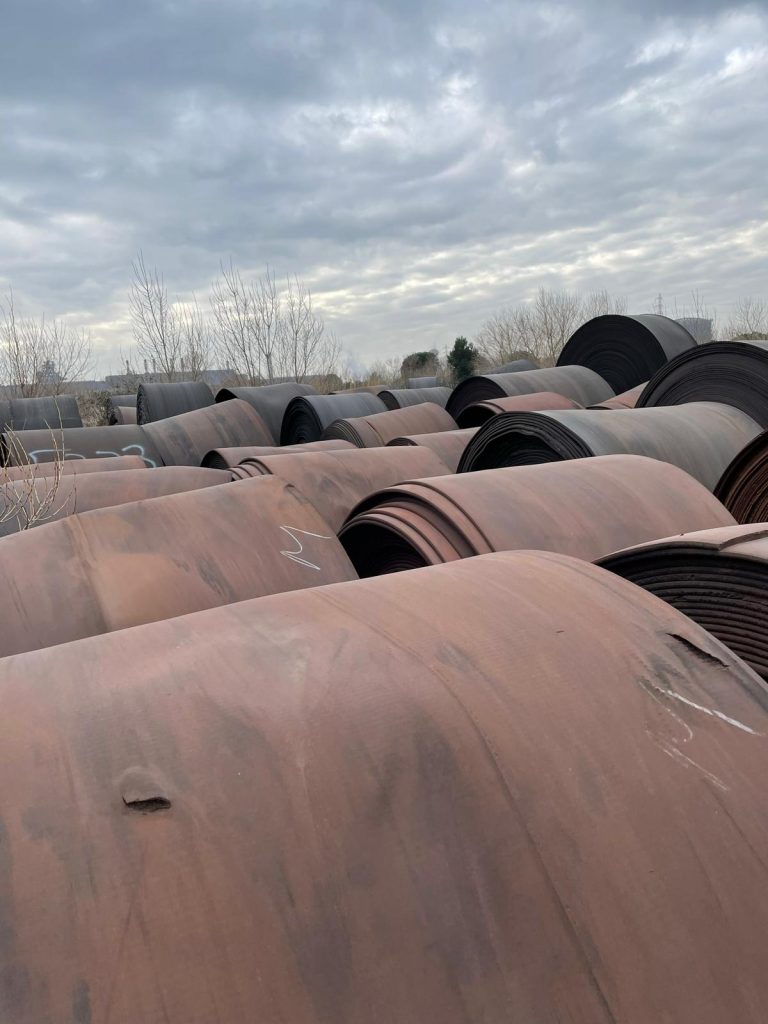
Used and discarded conveyor belts are one of the biggest environmental threats in every country around the world.  The belts are dumped in landfills where they lie for decades without biodegrading. Though virgin rubber as a natural resource from plants is biodegradable, the process of manufacturing conveyor belts renders the virgin rubber non-degradable. This is a tremendous burden for landfills. The  global conveyor belt market is expected to grow from $6.33 billion in 2021 to $7.7 billion by 2027.   Thus, the amount of conveyor belt waste going to the landfills will increase unless a solution to the problem is implemented. 

The Solution

The Company has developed a unique process by which various components of the conveyor belts will be repurposed without any waste thus enhancing the circular economy. This unique process is being patented in Europe.
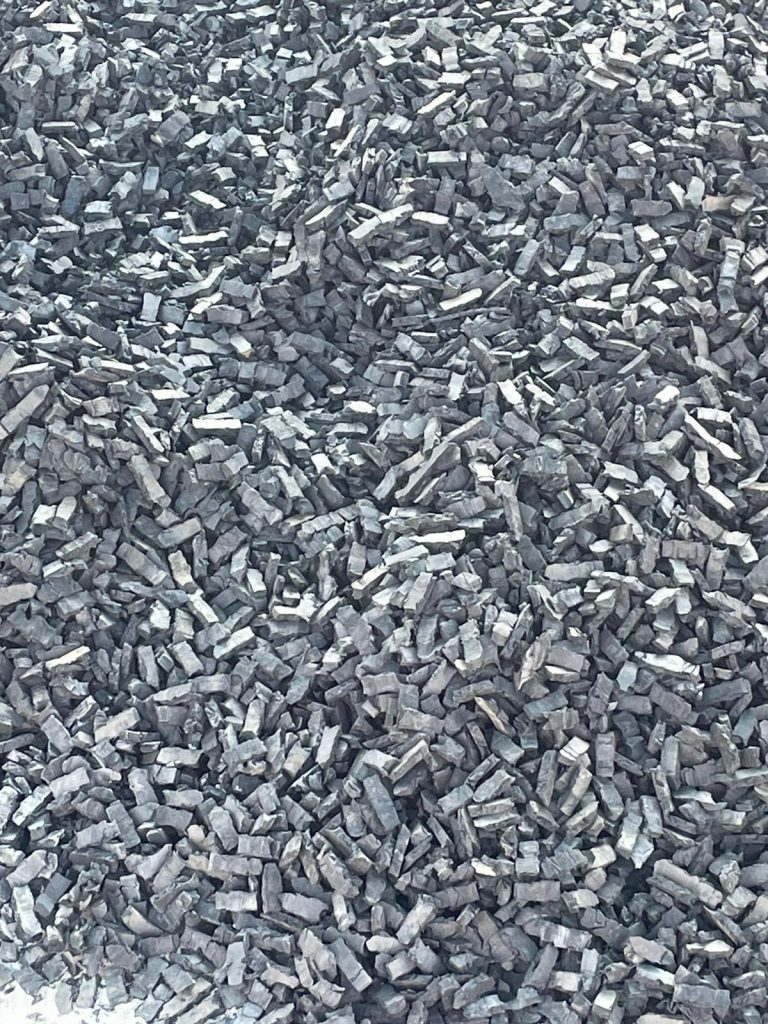
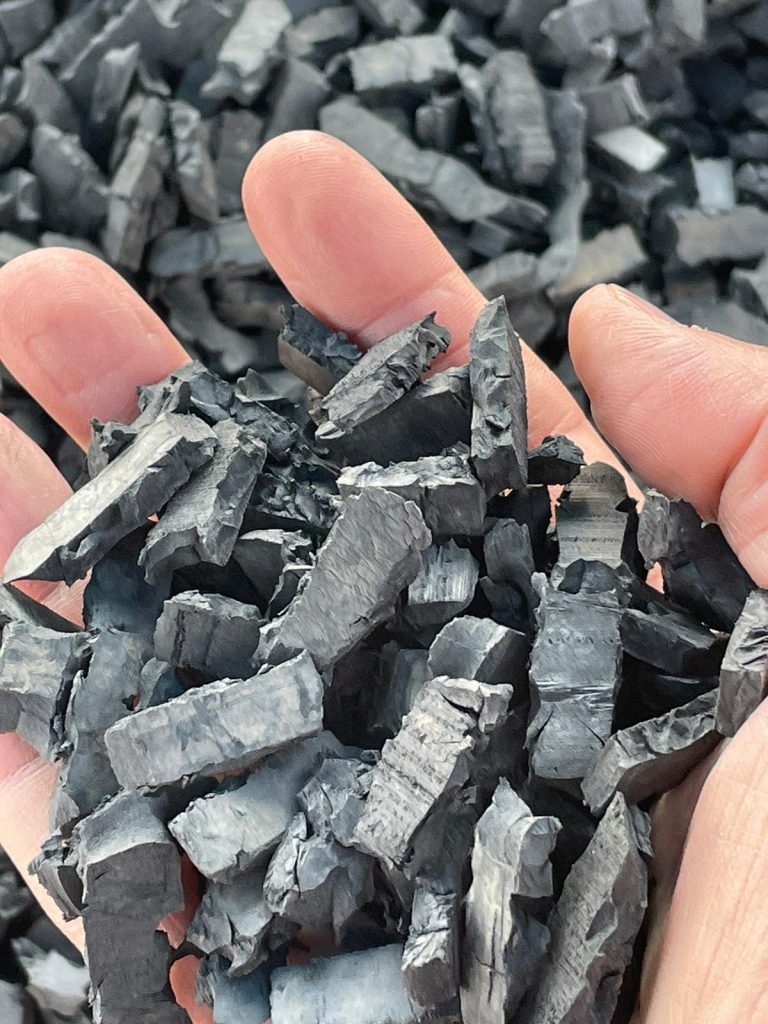
The recovered rubber sheets from the conveyor belts will be ground into rubber mulch and crumb rubber.  The recovered steel cord will be separated individually and rolled onto bobbins.